
Abuse survivor advocate Rev Patricia Allan says church safer now | NZ Herald
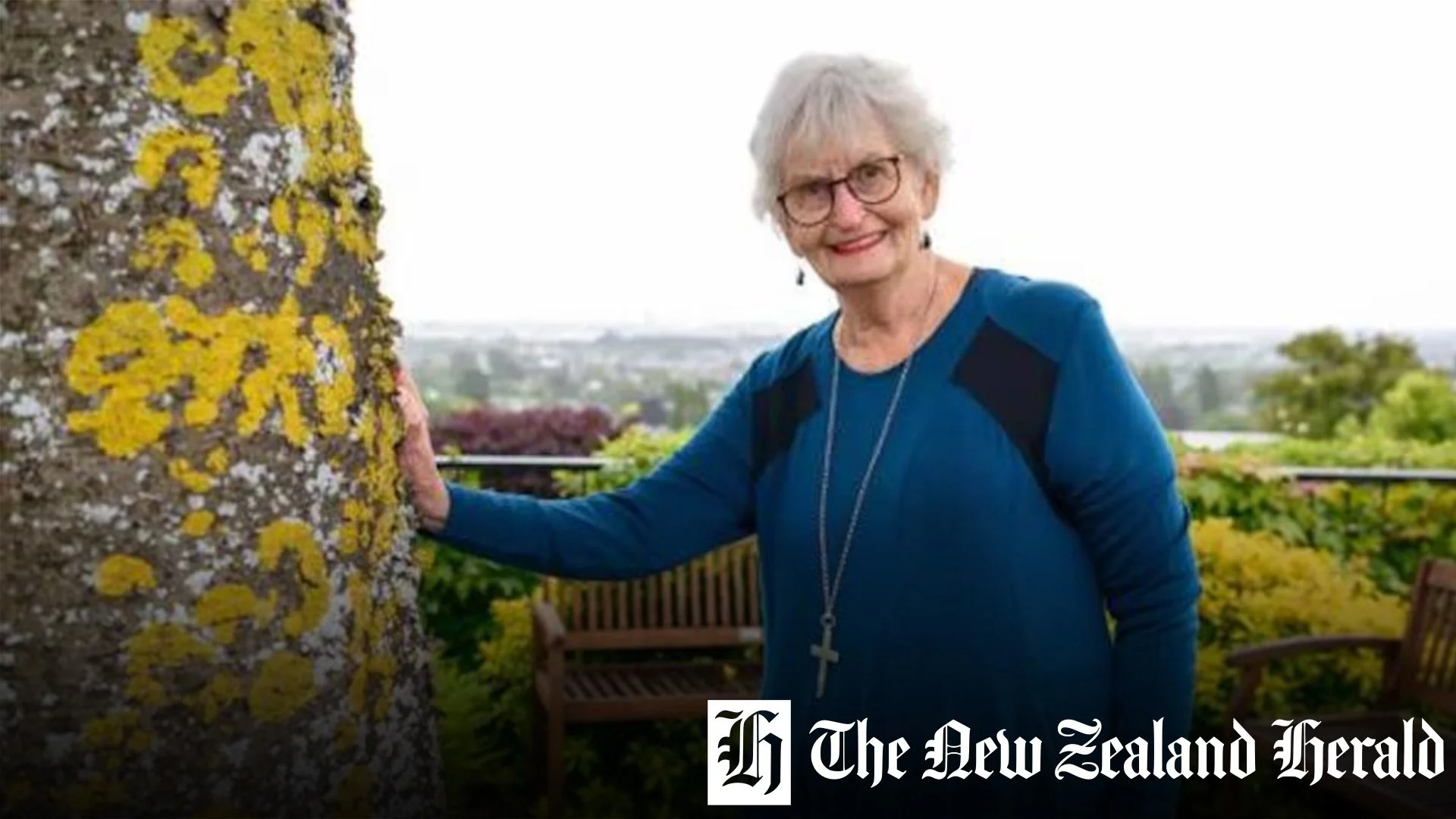
Reverend Dr Patricia Allan was named an Officer of the New Zealand Order of Merit at the start of the year, owing to her advocacy work for women who had suffered sexual abuse and harassment in church contexts.
An Anglican reverend who was recognised in the New Year Honours list for her services to the survivors of abuse over many decades says the church is now a safer place to be.
Reverend Dr Patricia Allan was named an Officer of the New Zealand Order of Merit at the start of the year, owing to her advocacy work for women who had suffered sexual abuse and harassment in church contexts.
The 87-year-old, who became one of New Zealand’s first Anglican priests when she was ordained in 1987, told Newstalk ZB’s Real Life with John Cowan that things have improved, especially since the Royal Commission of Inquiry into Abuse in Care.
“ There’s a much clearer complaint system; there’s much clearer training for clergy, boundary training that’s become essential for licensing; [and] clearer selection processes,” she said.
Allan says care for those who have been abused has also improved in church contexts.
And she’s pleased that one of her suggestions for acknowledging the harm that occurred in church contexts – what she describes as a “liturgy of lament” – has come to fruition.
“It’s a ceremony of [saying] ‘We’re really sad and sorry about what’s happened, and we’re seeking a much better way ahead’… that has happened in the Christchurch Diocese, and I think in other dioceses.”
Allan gained a reputation for doggedly challenging the church’s systemic failures to deal with abuse over many decades.
She was recognised for encouraging the church to “adopt policies and procedures for dealing with professional misconduct, complaints of sexual abuse and clergy education”.
This came at great personal cost, however. Allan told Real Life she became “virtually unemployable in the Anglican set-up” after a trip to the US to see how churches were responding to abuse.
Allan told Cowan she first started hearing stories of sexual abuse within the church in the 1980s, before the church had what she refers to as “our own Harvey Weinstein case” at the end of 1989.
“I became an advocate for the complainants in that particular case, and sought to work with the church over the years, trying to deal with it,” she explained.
“But it was really the Royal Commission that focused the attention of the authorities and the very real need to make changes.”
She says while the church was unwilling to confront its role in the abuse that was occurring, it was clear that people in power at that time didn’t fully understand what was involved.
“There was some misunderstanding about the power of clergy,” she told Real Life.
“Clergy would tell me that they’re not powerful, but they’re in very powerful situations – and it’s the abuse of power really that can lead to this kind of thing.”
Allan’s decades of advocacy laid the foundation for her 2018 post-doctoral research into how the Anglican Church had dealt with abuse complaints over the years, which she started while in her late 70s.
That work was formally recognised by the Royal Commission of Inquiry into Abuse in Care, established in 2018, and she went on to participate in the Christchurch Anglican Diocesan Response.
Elsewhere in the interview, Allan discusses her conversion to Christianity as a 14-year-old girl, and how this led her on a path to nursing and missionary work and to time in Israel, Scotland and Pakistan.
She also discusses graduating with a PhD for her thesis, “The Once and Future Cathedral”, in her late 70s and the role of faith in her life, and speaks candidly about the impact the tragic deaths of her husband and son have had on her.
Written by Matt Burrows